THE BARN
CLIENT: The Cherry Trees School
LOCATION: Bow, London
YEAR: 2015
A flexible learning environment for children with complex needs and inquisitive minds.
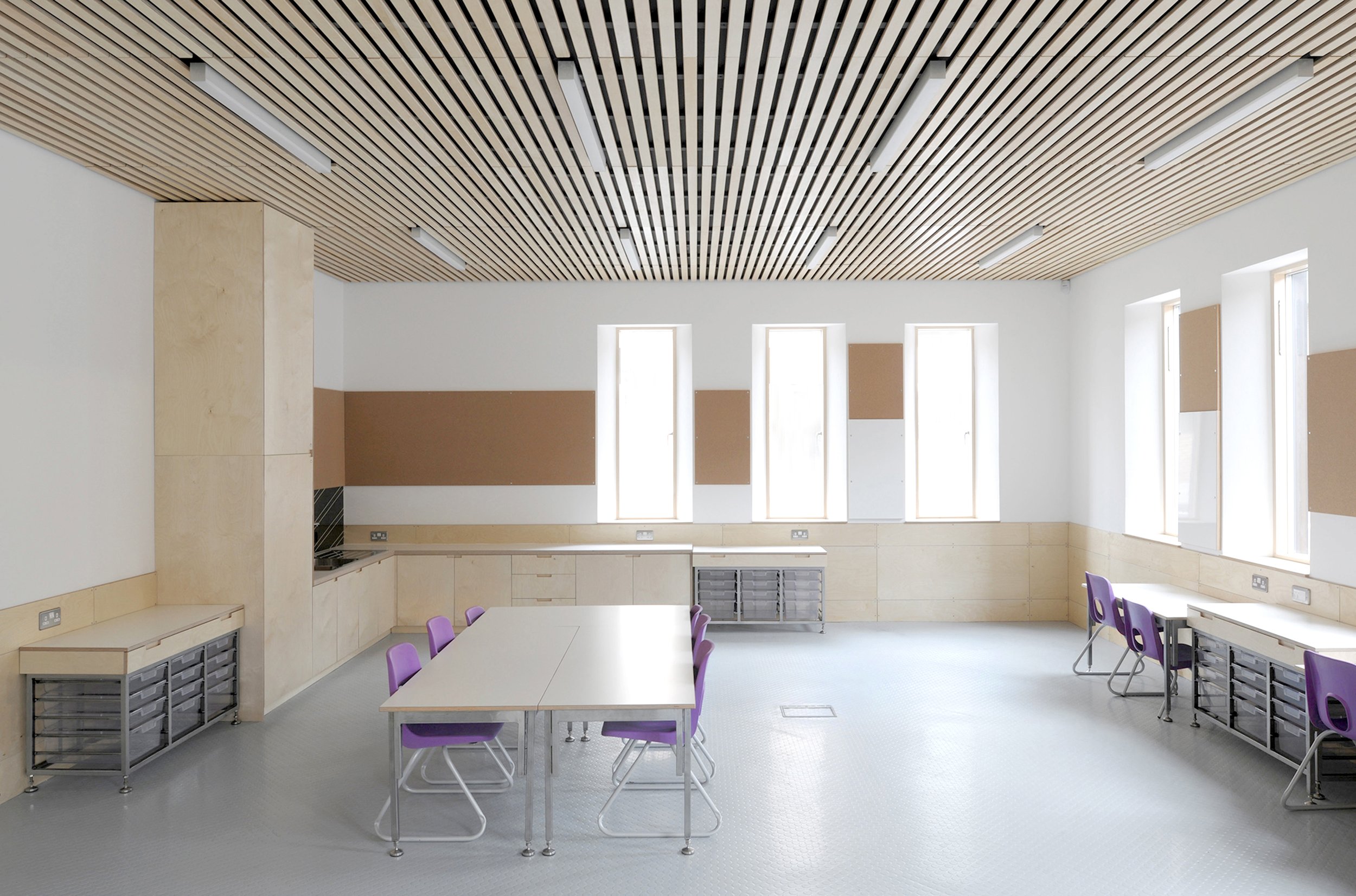
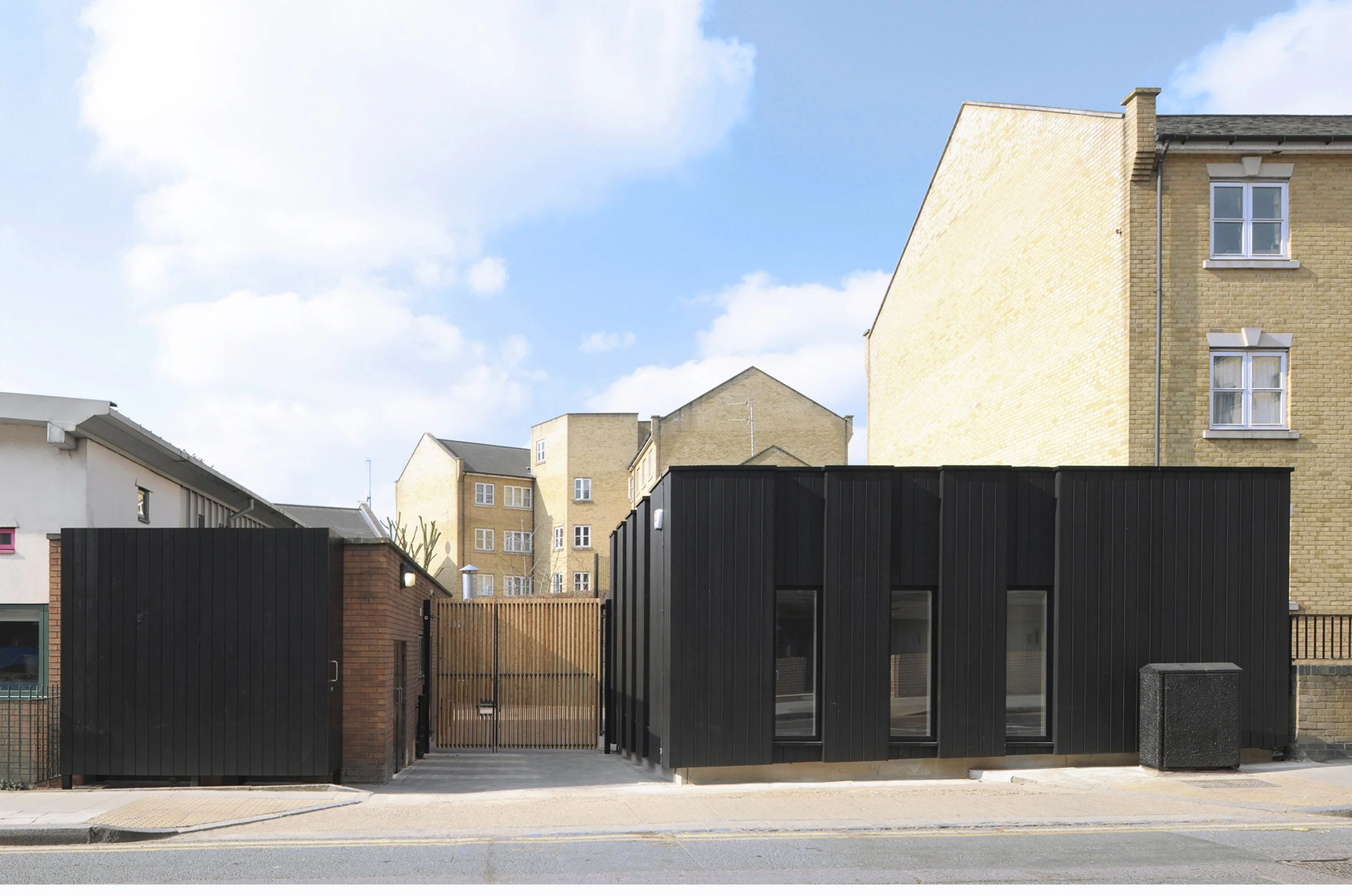
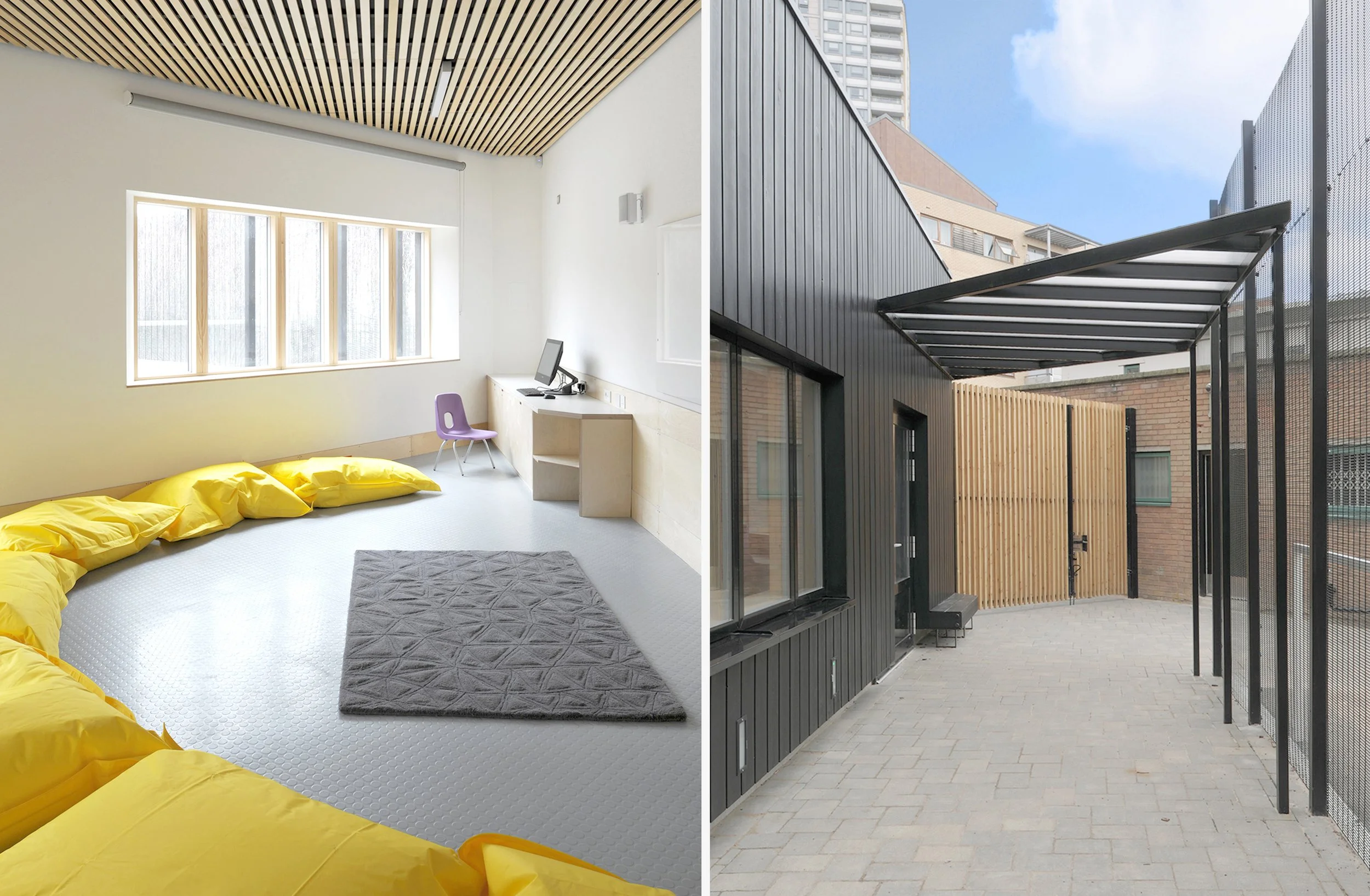
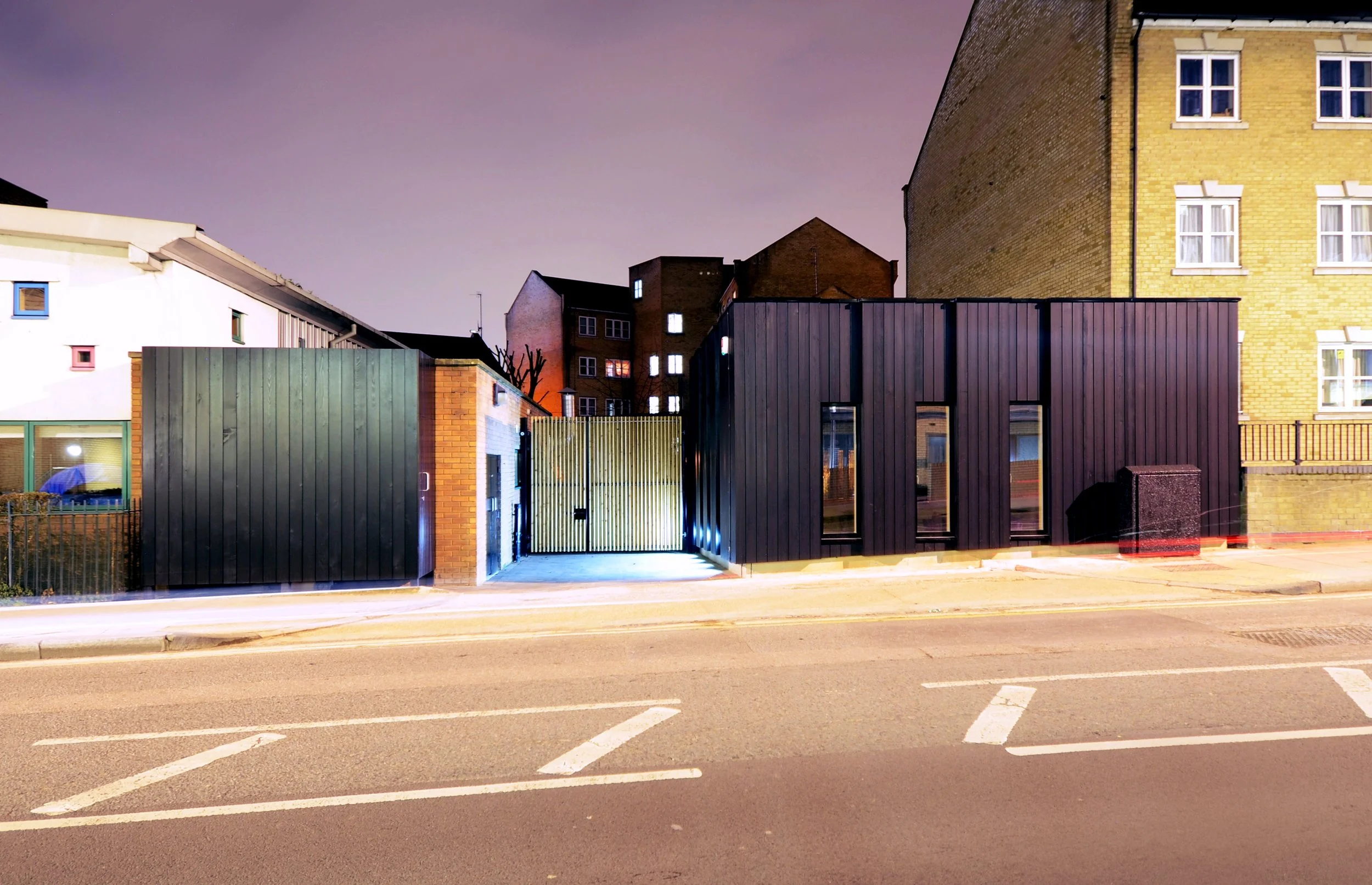
The Cherry Trees is a local authority primary school for boys with severe and complex, emotional and behavioural needs. However, the existing learning environment - converted accommodation - has proved increasingly incompatible with contemporary needs and poorly represents the innovative and contemporary teaching that takes place within.
A new classroom dubbed affectionately as “The Barn”, adds to the existing cluster of buildings and represents the first phase of a wider, whole school masterplan. Through a combination of generous space and flexible design, The Barn plays host to a variety of learning. Alongside traditional teaching, activities include therapy sessions, training programmes and musical workshops - providing an integral provision for the holistic development of the whole school community.
Kent is home to the majority of young unaccompanied asylum seekers and refugees residing in the UK. Young migrants are encouraged to integrate, but language barriers and cultural differences make this hard. The Kent Refugee Action Network (KRAN) set up a school teaching unaccompanied migrants the skills necessary to access mainstream society and education.
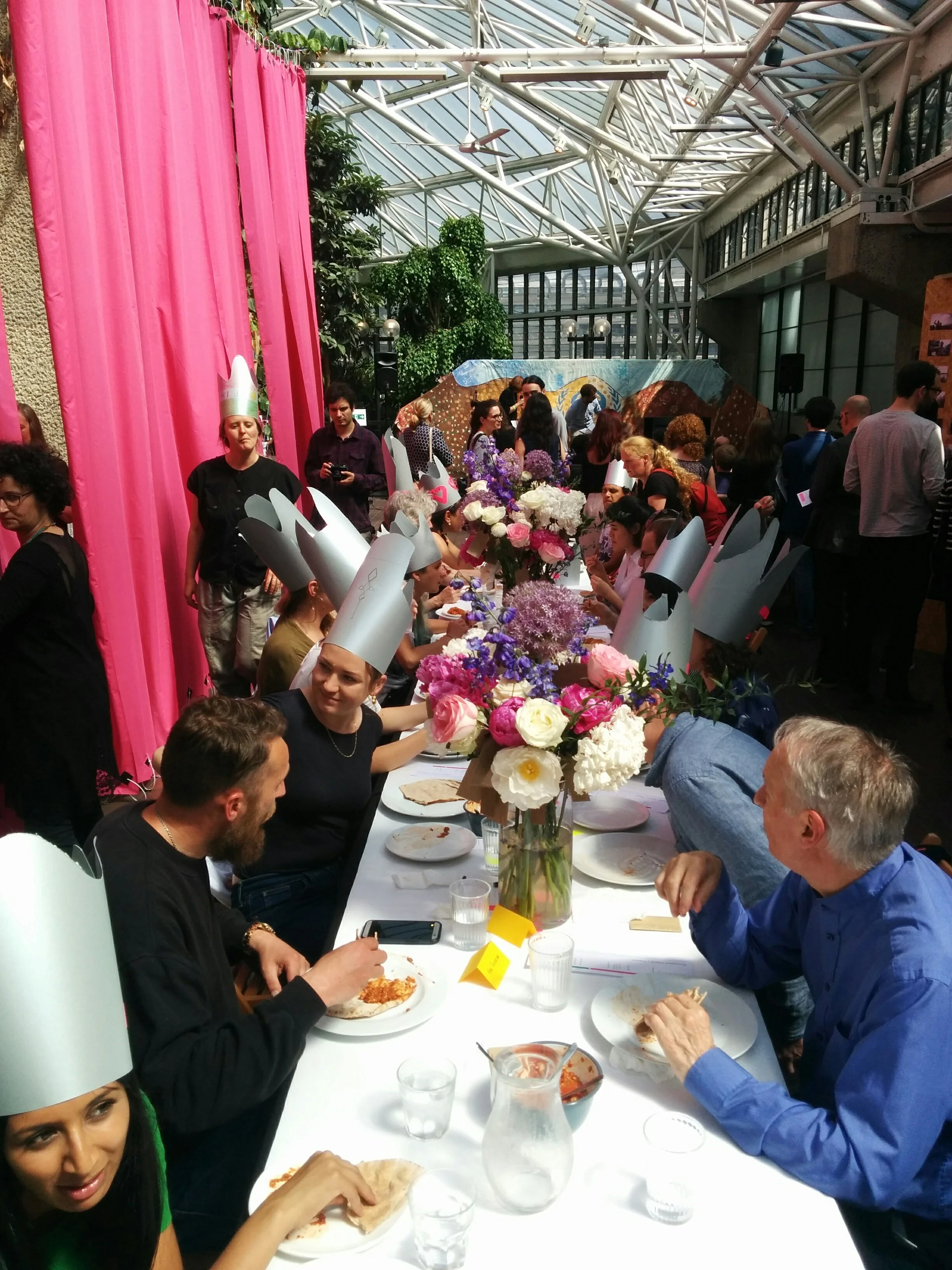
Every day, young people from their respective countries cook food, and the shared meals have become an integral part of the daily exchange between people of diverse backgrounds. In 2013 the pupils published “Let Me Cook for You: Recipes by young asylum seekers and refugees”. Inspired by this daily coastal routine, Pineapple Island at Papers, allowed the young people to welcome guests to dine with them and sample the fine cultural and culinary delights of distant lands.

Constructed upon what was formerly the car park, the last developable plot of land, The Barn ensures the opportunity of future expansion by its ability to accommodate an additional storey at a later date and a rooftop external learning zone in the interim.
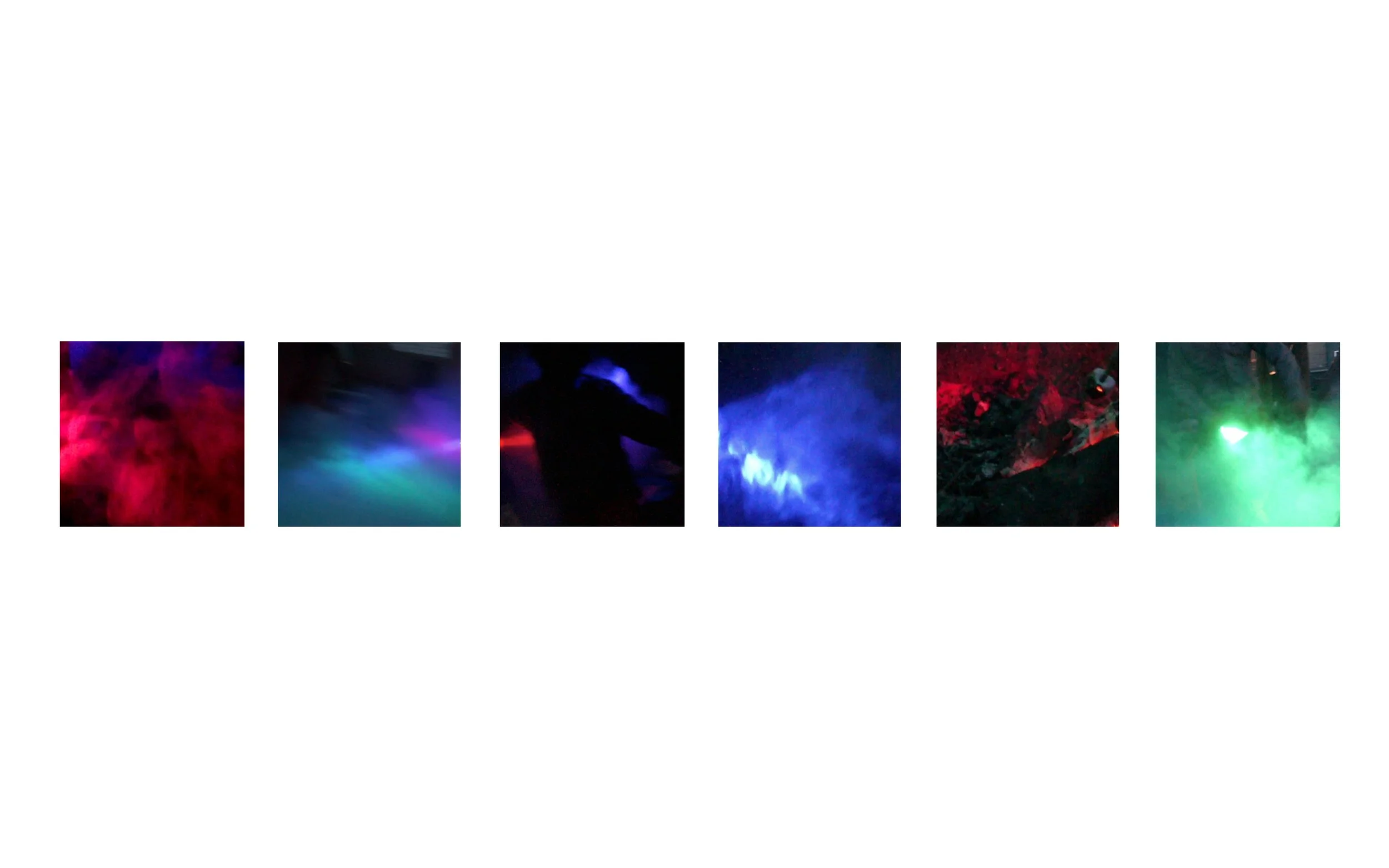
Through the delivery of alternative and aesthetic after-school play provision named Pineapple Island, the project probed and questioned the merits of traditional learning spaces. Each week, the pupils embarked upon an imaginary journey finally arriving at the reimagined setting of the playground. Activities were pupil-led and outcomes open-ended. These structures, alongside a number of targeted interventions, such as the promotion of harmonious non-verbal communication, shifted and skewed everyday associations, encouraging an environment of co-operation, collective fulfilment and empowerment.
The ideas and concepts explored within Pineapple Island present themselves more formally within The Barn; a space which challenges the conventional, prompts new methods of communication and is consistently reimagined. Both Pineapple Island and The Barn pay tribute to the school’s ethos, providing space where play is crucial and learning incidental.